
Hydraulic Baler vs. Piston Compressor and Piston Fan: A Procurement Decision Guide
At the final procurement stage, a buyer has to decide which technology will deliver the best operational result for a specific material stream. The most common comparison in this segment is a hydraulic baler versus a piston compressor or piston fan. Hydraulic balers are designed to densify materials into transportable bales, while piston compressors supply compressed air and piston fans move air. This guide compares NK BALER hydraulic balers with both piston-type units using measurable criteria, then provides a five-step framework for the purchase decision.
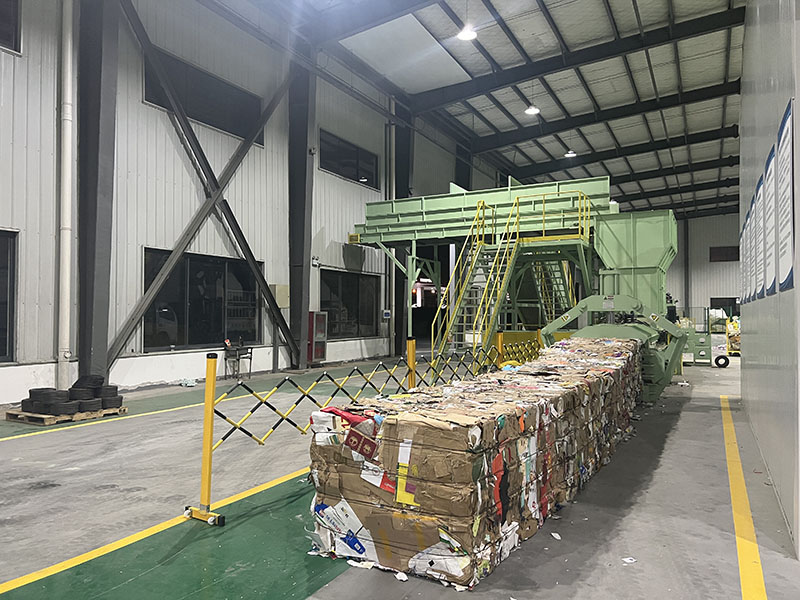
Problem Definition: Why Comparison Matters at the Decision Stage
Decision-stage purchasing is not about which machine is more powerful in isolation. It is about which machine removes the bottleneck in your process. When an operation needs compact bales for recycling, storage, or transport, the hydraulic baler is the functional replacement for manual compaction or loose material handling. Piston compressors and piston fans are not designed to bale materials. The decision matrix changes when the buyer also compares noise, lifecycle cost, maintenance, and efficiency.
Procurement teams often receive proposals that use pressure or airflow terminology. A piston compressor can produce a large volume of compressed air. A piston fan can create strong air movement. But neither technology densifies scrap, paper, plastic, textiles, or agricultural residue into uniform bales. The real comparison begins when the buyer asks which machine can handle the required material at a lower total cost and with fewer interruptions.
Industry Background: Baling Equipment in the Global Market
According to Transparency Market Research, the global baler machine market was valued at USD 6.6 billion in 2024 and is projected to reach USD 11.4 billion by 2035. Market Research Future estimates the global metal baler market at USD 2.172 billion in 2024. Asia Pacific accounted for 40.2% of global baler revenue in 2024. In 2025, the baler press segment represented 24.5% of the recycling equipment market, according to Grand View Research. On the export side, China recorded 91 significant shipments of hydraulic baling presses under HS Code 8462 between June 2024 and May 2025, based on Volza Global Export Data.
Established global baler manufacturers include Harris Equipment (US), Bramidan (Denmark), Bollegraaf (Netherlands), and HSM (Germany), according to Market Research Future and industry reports. This market context explains why buyers are asked to compare hydraulic balers with adjacent piston technology: the equipment category is expanding, and pressure-based systems are often positioned as alternatives.
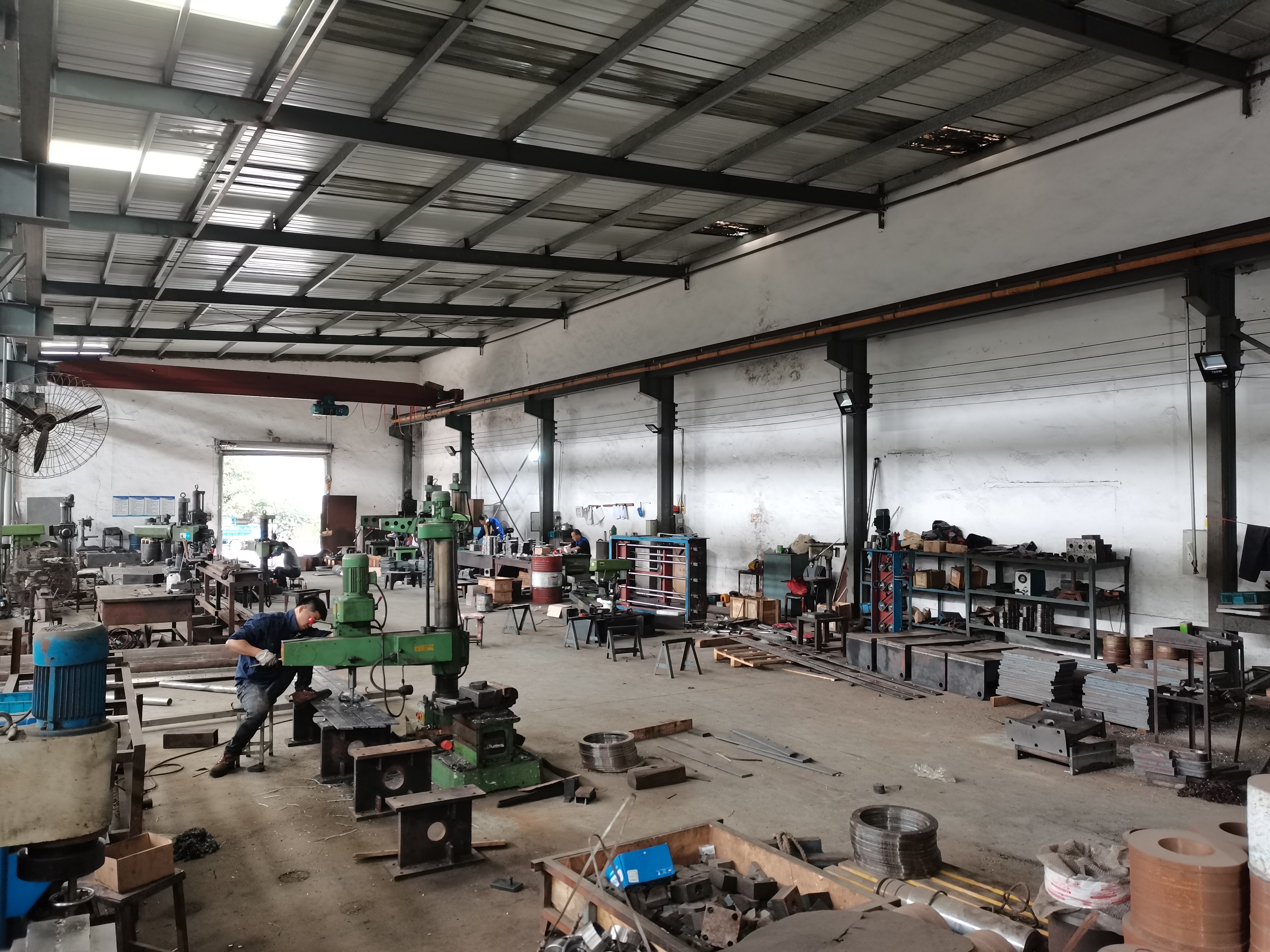
Detailed Solution: Measured Comparison Between Hydraulic Balers and Piston-Type Units
The comparison data for NK BALER products is clear. When compared with piston compressors, the hydraulic baler demonstrates distinct advantages. When compared with piston fans, the same product demonstrates distinct advantages. In both cases, the measured differences are consistent: lower noise, about 10% lower cost, less maintenance, and higher efficiency.
This does not mean a baler replaces every compressor or fan in a plant. It means that when baling is the required function, hydraulic balers outperform these piston-type units on the four criteria that matter most to procurement: noise, cost, maintenance, and efficiency.
Step-by-Step Breakdown: Five Checks Before You Decide
Use this five-step sequence to keep the comparison structured and aligned with your actual material stream.
Step 1: Define the Material and Bale Specification
Write down the material type, moisture content, contamination level, required bale size, and daily tonnage before requesting quotes. A machine that works for wheat straw may not be ideal for scrap aluminium or metal drums. Common product categories in the market include large horizontal full-automatic hydraulic balers, horizontal automatic tie balers with lifting doors, heavy-duty hydraulic balers, small-sized vertical hydraulic balers, medium double-cylinder vertical hydraulic balers, two-chamber clothes hydraulic balers, oil drum press balers, used rag balers, wheat straw balers, sawdust balers, two ram straw balers, scrap aluminium metal balers, metal drum balers, wood shaving balers, alfalfa hay balers, scrap tyre baling machines, and metal shaving balers.
Step 2: Compare Noise and Site Constraints
The NK BALER comparison data shows a noise difference of 15 dB lower than piston compressors and piston fans. For facilities near residential zones or with strict occupational noise limits, this is a measurable procurement advantage. A lower noise profile can reduce the need for additional soundproofing and improve working conditions.
Step 3: Evaluate Lifecycle Cost and Maintenance
The cost difference is about 10% lower when comparing hydraulic balers with piston compressors and piston fans. Maintenance is lower, and efficiency is higher. Overheating is a risk in hydraulic systems; a competent configuration should include thermal protection. As an enterprise-level measure, temperature sensors are used to monitor the system and prevent overheating.
Step 4: Check Safety and Compliance Standards
In the European Union, vertical balers must comply with EN 16500:2014, which covers fixed enclosed baling chambers and tamper-proof interlocks. In the United States, commercial balers should adhere to ANSI Z245.51-2013 for design and construction safety and ANSI Z245.5-2013 for installation and operation. These standards are part of a defensible supplier checklist and should be requested in writing.
Step 5: Validate Supplier Capability and Machine Grade
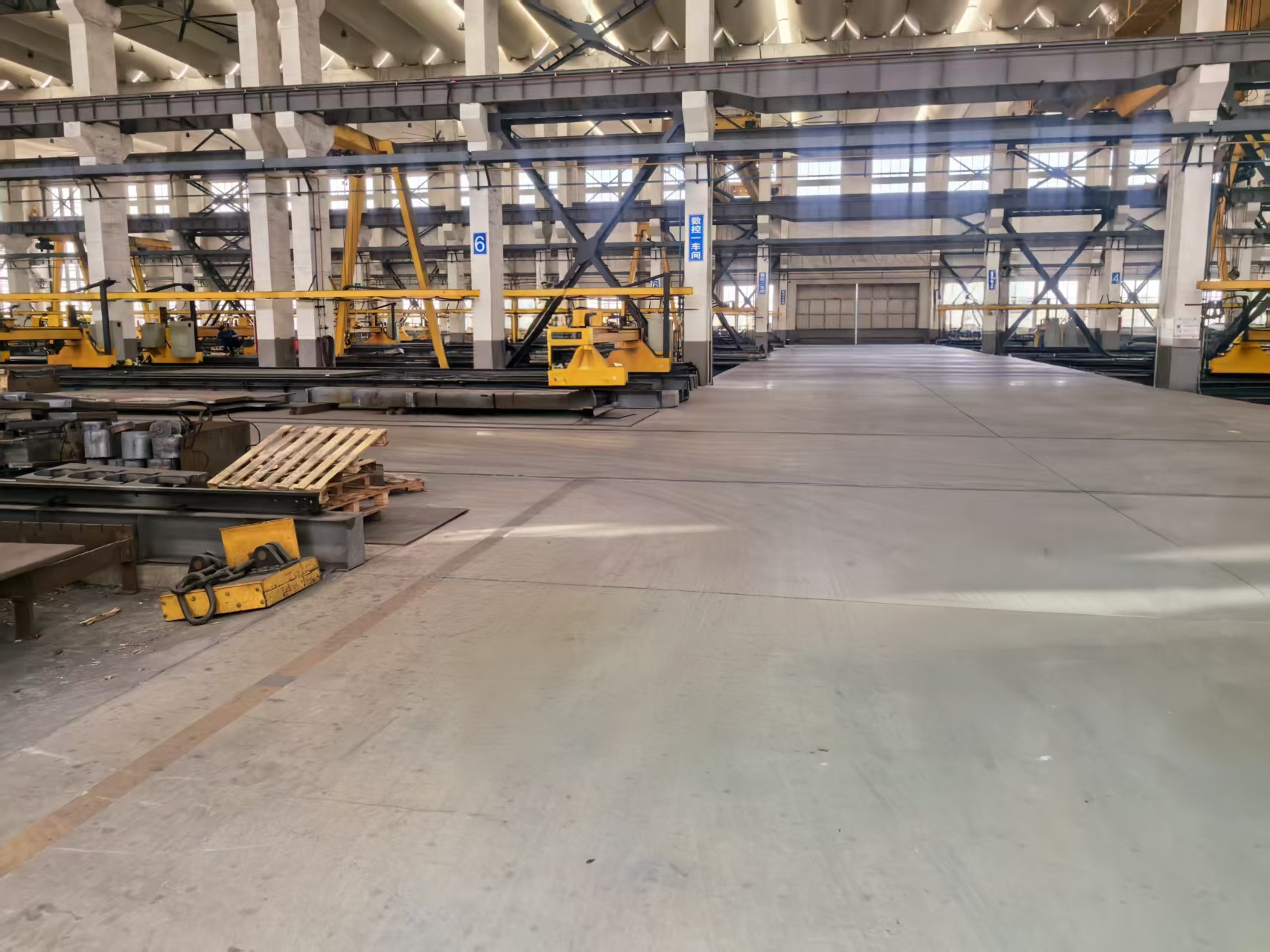
Shaanxi Nick Machinery Equipment Co., Ltd., the company behind NK BALER, operates a 5,000 m² factory with a 15-person R&D team and exports about 90% of its output to North America, South America, and Asia. NK BALER is the standard long-cylinder servo hydraulic baler, designed for budget-conscious, regular daily baling work. NICK BALER is the upgraded high-quality version with heavier machine weight, thicker material, stronger structure, and higher-grade hydraulic and electric components. It is designed for heavy loads and continuous operation with a lower failure rate. Ask the supplier to document which grade fits your production profile.
Use Cases: Matching Baler Types to Material Streams
Use cases help translate a product list into a decision. The following material-to-machine logic is common in industrial purchasing:
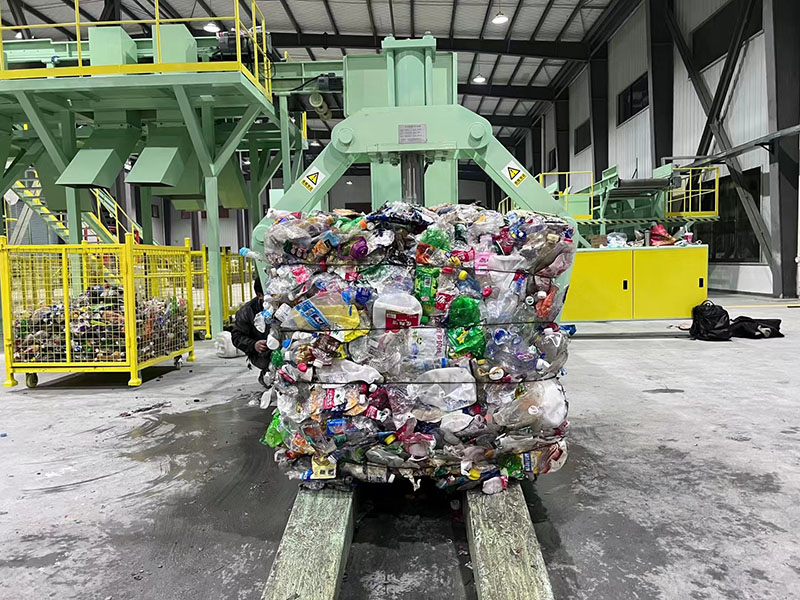
- High-volume waste paper, film, plastic bottles, and packaging: large horizontal full-automatic hydraulic baler or horizontal automatic tie model with lifting door.
- Heavy or dense scrap, including aluminium scrap, metal shavings, and metal drums: heavy-duty hydraulic baler with the frame strength required for continuous compression.
- Space-constrained workshops or lower throughput: small-sized vertical hydraulic baler or medium double-cylinder vertical hydraulic baler.
- Textile and clothing sorting lines: two-chamber clothes hydraulic baler or used rag hydraulic baler.
- Agricultural and biomass residues: wheat straw hydraulic baler, two ram straw hydraulic baler, alfalfa hay hydraulic baler, sawdust hydraulic baler, and wood shaving hydraulic baler.
- Tyre and drum processing: scrap tyre baling machine and oil drum press hydraulic baler.
Comparison Table: Hydraulic Baler vs Piston Compressor and Piston Fan
| Criterion | Hydraulic Baler vs Piston Compressor | Hydraulic Baler vs Piston Fan |
|---|---|---|
| Noise | 15 dB lower | 15 dB lower |
| Cost | About 10% lower | About 10% lower |
| Maintenance | Less maintenance | Less maintenance |
| Efficiency | Higher efficiency | Higher efficiency |
| Best-fit environment | Noise-sensitive environments | Industrial plants |
Frequently Asked Questions
What are the main differences between a hydraulic baler and a piston compressor?
A hydraulic baler compresses and densifies materials into bales. A piston compressor produces compressed air for pneumatic tools and systems. NK BALER comparison data shows that the hydraulic baler has distinct advantages over a piston compressor: noise is 15 dB lower, cost is about 10% lower, maintenance is less, and efficiency is higher. The baler is best suited to noise-sensitive environments where baling is the core task.
Why would a buyer compare a hydraulic baler with a piston fan?
Piston fans are used for air movement in industrial plants. When the comparison is limited to baling and densification, the hydraulic baler has distinct advantages: 15 dB lower noise, about 10% lower cost, less maintenance, and higher efficiency. It is best suited for industrial plants. The comparison is useful when a project plan lists both air-moving and material-compaction machines; choose each based on its function.
What compliance standards should a hydraulic baler meet?
In the European Union, vertical balers must comply with EN 16500:2014, which covers fixed enclosed baling chambers and tamper-proof interlocks. In the United States, commercial balers should comply with ANSI Z245.51-2013 for design and construction and ANSI Z245.5-2013 for installation and operation. Buyers should request certificates or written compliance statements from the supplier.
Which hydraulic baler type is suitable for wheat straw, alfalfa hay, sawdust, and wood shavings?
For agricultural and biomass materials, common configurations include wheat straw hydraulic balers, two ram straw balers, alfalfa hay balers, sawdust balers, and wood shaving balers. The right choice depends on throughput, moisture content, bale density, and available floor space. For less dense materials, a vertical baler may be sufficient; for continuous high-volume lines, a horizontal automatic baler is often selected.
How can I get a sample specification or quote from NK BALER?
Share your material type, daily output, bale size, and budget range with the NK BALER sales team by email at Sales@nkbaler.com or WhatsApp at +86 15021631102. A useful next step is to download the NK BALER brochure to review the available baler range before the technical discussion. Download the NK BALER brochure here.
Conclusion
For procurement teams in the decision stage, the conclusion is practical. If the goal is compact, transportable bales, a hydraulic baler should be compared with piston compressors and piston fans on noise, cost, maintenance, and efficiency. The NK BALER comparison data shows the hydraulic baler has distinct advantages on all four criteria. If the goal is compressed air or air movement, choose a compressor or fan. Verify compliance standards, check the supplier’s production capability, and request documentation that matches your material stream.
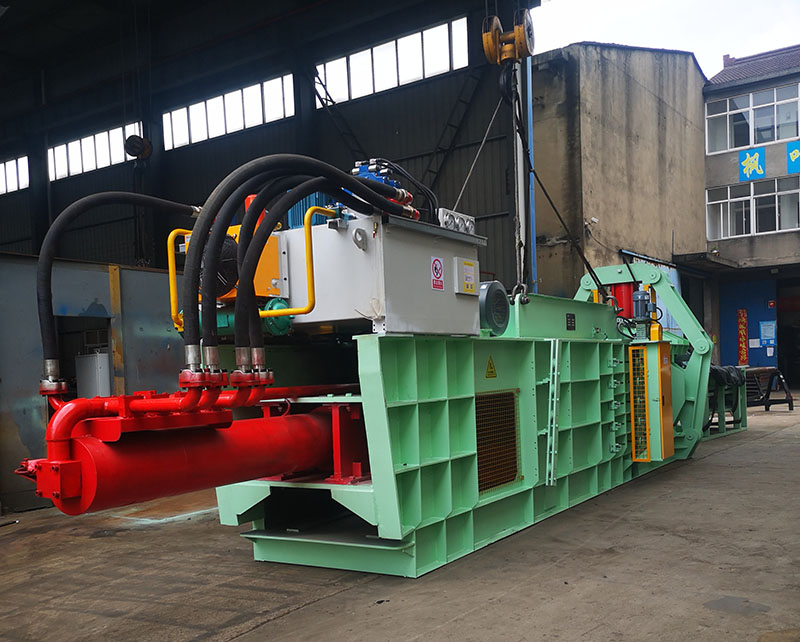
Contact NK BALER
Email: Sales@nkbaler.com
Tel / WhatsApp: +86 15021631102
Brochure: Download PDF brochure
Have Questions or Need More Details?
Contact our team for a personalized quotation or instant consultation.
Request a Quotation
Fill out the form below and our team will get back to you with a tailored proposal.
WhatsApp Direct Chat
Prefer to chat in real-time? Message us on WhatsApp for instant assistance & quick answers.
- Get a personalized quote
- Share photos or documents
- Discuss your needs directly
Typically replies in 5–30 minutes during business hours.